


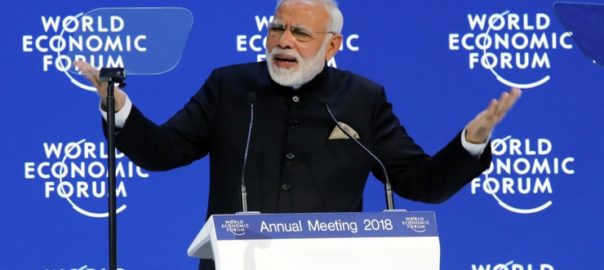
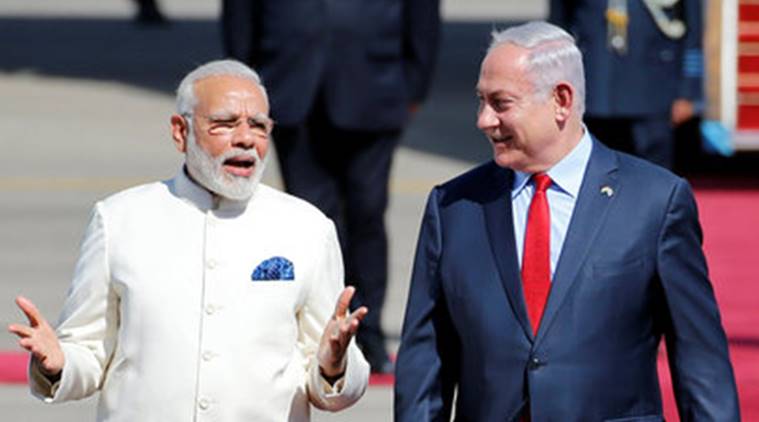
Historically, the plenary session commences in the evening, but to manage with Narendra Modi all agreed to begin it on a morning, this shows how strategic India and PM Mr. Modi is important to World Economic Forum. This year began with the busy calendar and two strong moves – hosting all 10 ASEAN leaders for 26th January celebrations as chief guests to mark the 25th anniversary of Asia Pacific club and an invitation to Prime Minister Benjamin Netanyahu.
“That all the leaders of ASEAN have agreed to attend the commemorative summit to celebrate 25 years of India’s dialogue partnership with the organisation, 15 years of summitry and five years of strategic partnership, and would be guests on Republic Day is the greatest testimony to New Delhi’s depth and breadth of engagement and understanding in the region, both bilaterally and multilaterally, and reflects Modi’s proactive foreign policy,” said Baladas Ghoshal India’s expert on South East Asia.
Amidst of the hectic schedule, Indian Prime Minister Narendra Modi managed to stop at Davos to meet global CEO’s, addressed the plenary session and have bilateral meetings with top leaders of Canada, Zimbabwe, and Switzerland. No doubt Mr. Modi is quite energetic and much-balanced person to manage the Indian economy and establishments.
India is at the global center stage,” said Chandrajit Banerjee, director general, Confederation of Indian Industry. “Expectations are huge. The world is appreciative of its efforts and wants to engage. In February, the Canadian state visit will be crucial and a huge business, a political delegation will be visiting, followed by the French head of state.”
It is expected that Mr. Modi will host French President Emmanuel Macron and Canadian PM Justin Trudeau. In addition, it is also speculated that he will visit Kathmandu and will travel to London to attend his first Commonwealth Summit in April.
Two months later, the ASEAN Chair will host Mr. Modi on June 1st for the Shangri La Dialogue. In the latter half of 2018, he will off to South Africa to attend BRICS Summit. Meetings with key allies Russia and Japan are also due.
China will always remain a challenge for Indian foreign policy. “Beijing does not hide its ambition to become a great power,” said Arvind Gupta former deputy national security advisor.
It is becoming assertive. Its hegemonic tendencies need to be watched. India should reduce capability asymmetries with respect to China. A rise of China will make India relook its foreign policy. India will need to strengthen its Act East Policy and shape the Indo-Pacific concept.”
In Davos, it was all true for all to see Mr. Modi chasing the global audience with his vision of a new India.
