


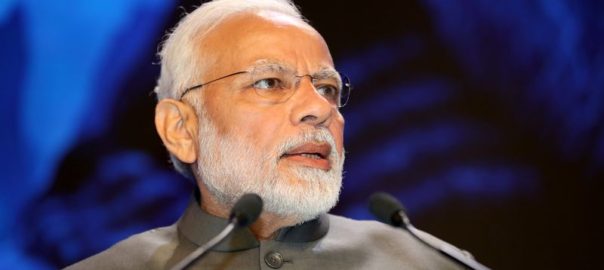
Prime Minister Narendra Modi is about to expand a welfare program to India’s 500 million workers as he offers re-election in 2019. Though, the plan is sounding good but, we guess the time is very limited to execute this plan.
The PM firstly wants to focus on the three programs i.e. old age pension, life insurance and maternity benefit to most working citizens. He is currently including only these three programs.
In this context, the government has prepared a bill to extend benefits to all workers by merging and simplifying 15 federal labor laws into one. According to the sources, the bill may be present in July in the upcoming session of Parliament where the national poll will be conducted.
As for now, the plan seems to be one of the widest and strongest mass benefit programs in the country of 1.3 billion people and it actually comes after the health protection plan comes in Feb and targeted to cover 100 million poor families, dubbed ‘ Modicare’.

According to officials, For better result, the government plans to investigate the project in six districts in the months leading up to the federal elections due in May next year.
“Nobody can deny the importance of social security for the country’s working class and it is overdue,” said Satish Misra, a political analyst at the Observer Research Foundation in New Delhi.
Though the whole process seems a challenging process for the government to make the system sustainable, and to bestow benefits from the $376 billion budget. Well, the thing to be noticed here is that the plan is involving maternity, pension, and death or disability and leaving out some other department unemployment and child support, said officials.
The government is hoping for the good results and this move may impact the economy in a positive way. Like giving the benefits mostly to informal workers who contribute to about half of the country’s GDP, it would enhance the quality of life and raise productivity. It will also improve the productivity.
All About Money Matters
In an interview at Jawaharlal Nehru University in New Delhi the economist professor Santosh Mehrotra, said that: Giving minimum social benefits to the working class, who make up about a fifth of the country’s population, would cost the government 0.38 percent of total GDP or about 500 billion rupees annually.
He also added that: In 22 years, India will be an aging society like China. If it doesn’t start working on social security today, who will pay for those old people?”
